Indo-Bangladesh Strategic Challenge - Navigating Crisis of Bangladesh and South Asian Regional Stability | (Wed 04 Dec 2024 22:30)
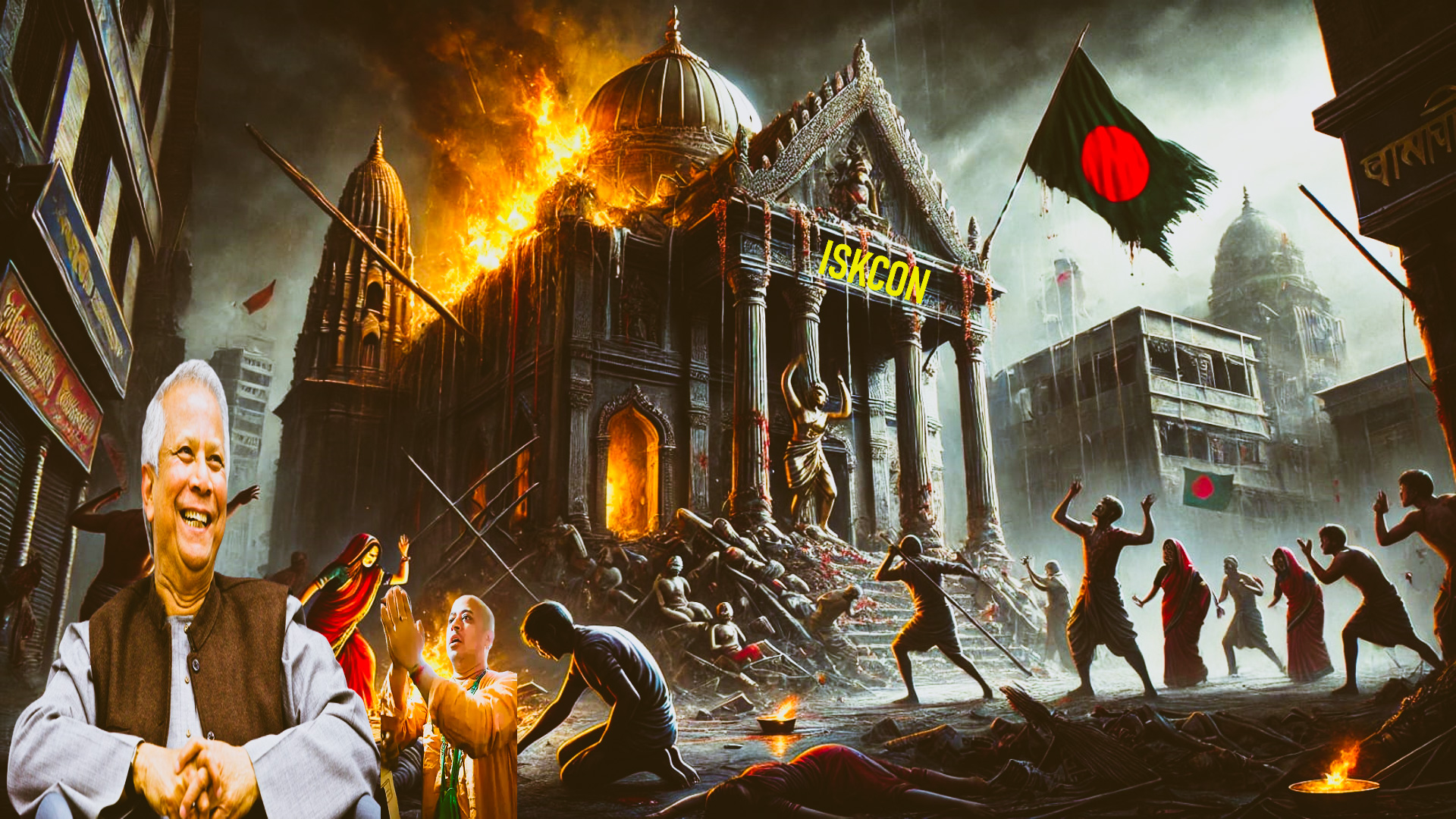
South Asia is currently at a crucial crossroads, where shifting geopolitical dynamics and internal unrest could have significant consequences for regional stability. Among the most pressing concerns is the ongoing situation in Bangladesh, which, while seemingly a domestic issue, has broader ramifications that could open doors for Pakistan and China to expand their strategic influence in the region.
Rising Tensions, Diplomatic Strains and Protests Over Hindu Minority Rights
The diplomatic relations between Bangladesh and India, once close allies, are now facing a growing crisis, fueled by protests and counter-protests regarding the mistreatment of Hindu minorities in Bangladesh. The situation has worsened since August, when former Prime Minister Sheikh Hasina fled Bangladesh following a so called student uprising, and she is currently in India.The recent catalyst for these tensions was the arrest of a Hindu monk last week, which sparked protests in India by Hindu activists and political figures. On December 2nd, tensions escalated when protesters in India stormed and vandalized the Bangladesh consulate in Agartala, northeast India. This act of aggression was followed by hundreds of students and activists in Dhaka protesting the attack on the consulate.The Indian government distanced itself from the violence, condemning the attack and emphasizing that diplomatic and consular properties should be protected. It also increased security for Bangladesh's diplomatic missions in India, and seven individuals were arrested in connection with the incident.Bangladesh, however, reacted strongly, calling the attack heinous and demanding that India conduct a thorough investigation and take measures to prevent further violence against Bangladesh's diplomatic missions.For India, Bangladesh is not just a neighboring country but a vital strategic partner, especially for border security in the northeastern states. The two countries also share deep cultural and linguistic ties. The relationship is further complicated by the fact that Hindus, who make up less than 10% of Bangladesh's population, have long faced discrimination, with Islamist groups and political factions often targeting them. In the wake of the August upheaval, many of Hasina's supporters, including religious minorities, have been subjected to violence. The arrest of Hindu leader Chinmoy Krishna Das, who was accused of raising a saffron flag at a protest in Chittagong, has further stoked tensions. Following his arrest on charges of sedition, protests erupted, leading to the death of a Muslim lawyer, and numerous arrests have been made in connection with the violence.On December 2nd, the court in Chittagong postponed bail of C.K.Das hearing until January 2, which has only increased the unrest surrounding the case. The situation remains fraught with the potential for further diplomatic fallout and heightened tensions between the two nations.
Internal Challenges in Bangladesh
Bangladesh, once considered a pillar of stability in a volatile region, is now grappling with increasing political turmoil, economic difficulties, and widespread public dissatisfaction. With elections approaching, the political environment has become deeply divided. Protests and violence are intensifying, putting the country's governance and institutions to the test.
This unrest has the potential to create an environment vulnerable to external interference. Pakistan, which has long sought to destabilize India's eastern borders, and China, with its growing Belt and Road Initiative (BRI), may view the situation as an opportunity to exploit Bangladesh's weaknesses.
The China-Pakistan-Bangladesh Nexus
China's influence in South Asia has been steadily increasing, particularly through investments in infrastructure under the BRI. Its presence in Bangladesh, with projects like the Chittagong port, plays a vital role in China's String of Pearls strategy, which aims to encircle India with strategic assets.
Pakistan, for its part, has historically sought to destabilize India by fueling unrest in Bangladesh. The country’s connections with radical elements and intelligence operations in the region are well-documented. The instability in Bangladesh could provide Pakistan with the opportunity to reignite such activities, potentially posing a dual-front security threat to India.
The combined efforts of Pakistan and China to exploit Bangladesh’s internal instability could significantly complicate India's security and diplomatic challenges.
Impact on India
For India, the implications of Bangladesh's instability are profound. Potential risks include:
- Refugee Crisis: Worsening internal turmoil in Bangladesh could lead to large-scale migration into Indian states like West Bengal and Assam, placing immense strain on resources and increasing social tensions.
- Border Security Threats: A rise in extremist infiltration, along with the smuggling of arms and narcotics, could destabilize India’s eastern states. During 5th August 2024 uprising, lot of designated terrorists got freed from jail.
- Strategic Encirclement: China’s growing presence in Bangladesh could further its encirclement strategy, directly threatening India's eastern coastline.
- Economic Disruption: Given Bangladesh's status as a key trading partner, instability in the country could harm India’s economic interests in the region.
India’s Strategic Response
India must take immediate and strategic action to address these threats and work to stabilize Bangladesh. The following measures could be key to safeguarding India’s interests:
- Diplomatic Engagement: Strengthen ties with Dhaka to maintain India’s position as a trusted partner during the political and economic crises in Bangladesh. Proactive diplomacy should also counterbalance China's influence and prevent Bangladesh from shifting towards Beijing's sphere.
- Regional Cooperation: Encourage regional collaborations, such as the Bay of Bengal Initiative for Multi-Sectoral Technical and Economic Cooperation (BIMSTEC), to solidify regional alliances and reduce dependence on external powers.
- Border Management: Bolster border security to limit illegal infiltration and trafficking, while preparing for potential humanitarian challenges posed by a refugee crisis.
- Economic Support: Provide targeted economic aid and investment to Bangladesh, offering an alternative to Chinese loans and helping to stabilize the country’s economy.
- Monitoring External Influence: Enhance intelligence operations to detect and counter any attempts by Pakistan or China to exploit the instability in Bangladesh.
A Defining Moment for India's Leadership
The ongoing situation in Bangladesh highlights the fragile nature of South Asian geopolitics. For India, this presents both a challenge and an opportunity to assert its leadership in the region. By adopting a proactive and strategic approach, India can ensure that Bangladesh remains a stable and friendly neighbor, rather than a pawn in a larger geopolitical rivalry. But until democratic government comes to reign in Bangladesh, seems things not going to move.
Md Yunus who instead of resolving law & order issues, chose to blame media by saying it mere exaggeration and propaganda, not going to help either. Sooner or later, Yunus need to realize unlike Joe Biden, Republican Trump government will not going to entertain their radicalism, and they need to sit on a table with India. Both countries leadership decisions today will not only shape the future of their borders but also define its role as a stabilizing force in South Asia, especially for Bangladesh who shares approx. 94% of its land border with India. The stakes are high, and timely action is critical.

Physics, Chemistry, Biology and Geography.

Computer Programming, languages & their frameworks.
Economics, Accounts and Management.

Reviewing old and new books.

Ancient, Medieval, Modern, World History.
Indian Constitution, Politics, Policies, etc.

Everything related to International Affairs.
For all humanities topics, except History & Polity.

Anything related to entertainment industry.
Mainly Cricket but other sports too.

CS, IT, Services & Corporate Sector.
Comments
No comments yet. Be the first to comment!
Leave a Comment