India’s SpaDeX Mission - A Milestone in Space Exploration and the Future of Docking Technology | (Thu 16 Jan 2025 20:04)
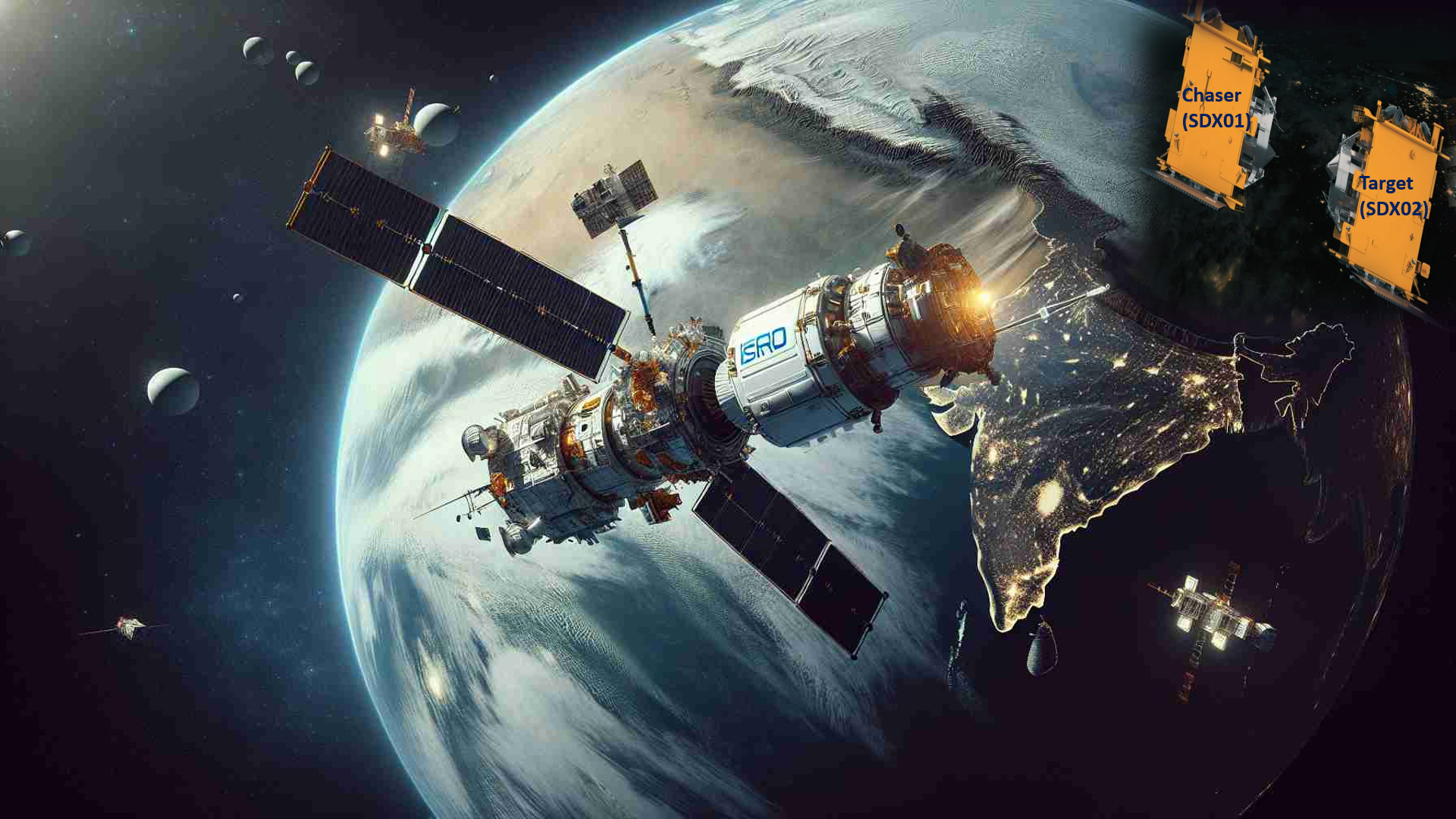
On the morning of January 16, 2025, India achieved a significant milestone in the annals of space exploration, one that positioned the country among the elite few nations capable of docking spacecraft in orbit. The Space Docking Experiment (SpaDeX), a mission orchestrated by the Indian Space Research Organisation (ISRO), not only marked India’s entry into an exclusive club of spacefaring nations but also laid the foundation for future ambitions in space technology, satellite servicing, and even human spaceflight.
As two small satellites—SDX01 (the Chaser) and SDX02 (the Target)—maneuvered within mere meters of each other in space, a sense of triumph reverberated across ISRO’s mission control. The docking of these two spacecraft—each weighing 220 kilograms—was no ordinary feat. It was a carefully calculated ballet of technology, precision, and determination. With this, India joined the ranks of only three other nations—Russia, the United States, and China—that have successfully demonstrated space docking, a crucial technology for future missions involving space stations and human spaceflight.
But behind the sleek performance of these satellites lay years of meticulous planning, cutting-edge innovation, and the resolute drive of countless scientists and engineers. The SpaDeX mission was not just a display of ISRO’s technical prowess—it was a testament to India’s growing capabilities and ambitions in space exploration.
The Journey Begins: From Concept to Reality
The origins of SpaDeX can be traced back to 2016 when ISRO first began exploring the possibility of developing a space docking technology. At that time, space docking was still a relatively new and complex technology that had been mastered only by a handful of countries. However, the potential benefits of docking technologies were undeniable, particularly when it came to the future of human spaceflight, satellite servicing, and even space debris management.
In 2017, the Indian government granted approval for the project with an initial funding of ₹10 crore. The mission quickly gained momentum, with funding increasing to ₹124.47 crore by 2022, underscoring the importance that ISRO placed on this endeavor. The project was spearheaded by ISRO’s UR Rao Satellite Centre (URSC), in collaboration with other ISRO entities such as the Vikram Sarabhai Space Centre (VSSC), Space Applications Centre (SAC), and the Liquid Propulsion Systems Centre (LPSC).
SpaDeX was envisioned not only as a technology demonstration but also as a stepping stone for more advanced missions in the future. According to ISRO’s former head, S. Somanath, mastering docking technology was essential for the future management of space stations like the Bharatiya Antariksha Station (India’s planned space station) and Gaganyaan, India’s crewed space mission. The mission also had broader applications, from satellite servicing to ensuring sustainability in space by addressing the growing issue of space debris.
The Mission: Bringing Satellites Together
On December 30, 2024, the mission took flight. A Polar Satellite Launch Vehicle (PSLV-C60) carried both the Chaser and Target satellites into space from the Satish Dhawan Space Centre. After deployment, the two satellites were intentionally placed in slightly different orbits, with a separation of approximately 20 kilometers between them. From this point, the mission’s next phase involved bringing the two satellites closer in a series of carefully planned maneuvers.
The Chaser satellite, SDX01, was tasked with approaching the Target satellite, SDX02. Using a sophisticated array of sensors and propulsion systems, SDX01 slowly decreased its distance from SDX02. The goal was to reduce the relative velocity of the two satellites to a mere 10 millimeters per second, a pace slower than a human walking. This reduction in speed was essential to ensure the safety and precision of the docking process. The innovative Bhartiya Docking System (BDS), developed by ISRO, played a pivotal role in this operation, using only two motors for docking, in contrast to the 24 motors used by the International Docking System Standard (IDSS).
As SDX01 closed in on SDX02, the satellites exchanged position and orientation data through an Inter-Satellite Communication Link (ISL), which ensured real-time synchronization. The final docking maneuver itself required extraordinary precision, with the satellites approaching each other within just a few meters, aligned perfectly to dock. On January 16, 2025, this unprecedented event took place, and the docking was declared a success.
SpaDeX’s Role in India’s Space Future
While the successful docking of SDX01 and SDX02 was a moment of immense pride for ISRO, it is the long-term implications of this achievement that are truly revolutionary. The successful demonstration of space docking opens the door for a variety of future missions, particularly in areas such as human spaceflight and satellite servicing.
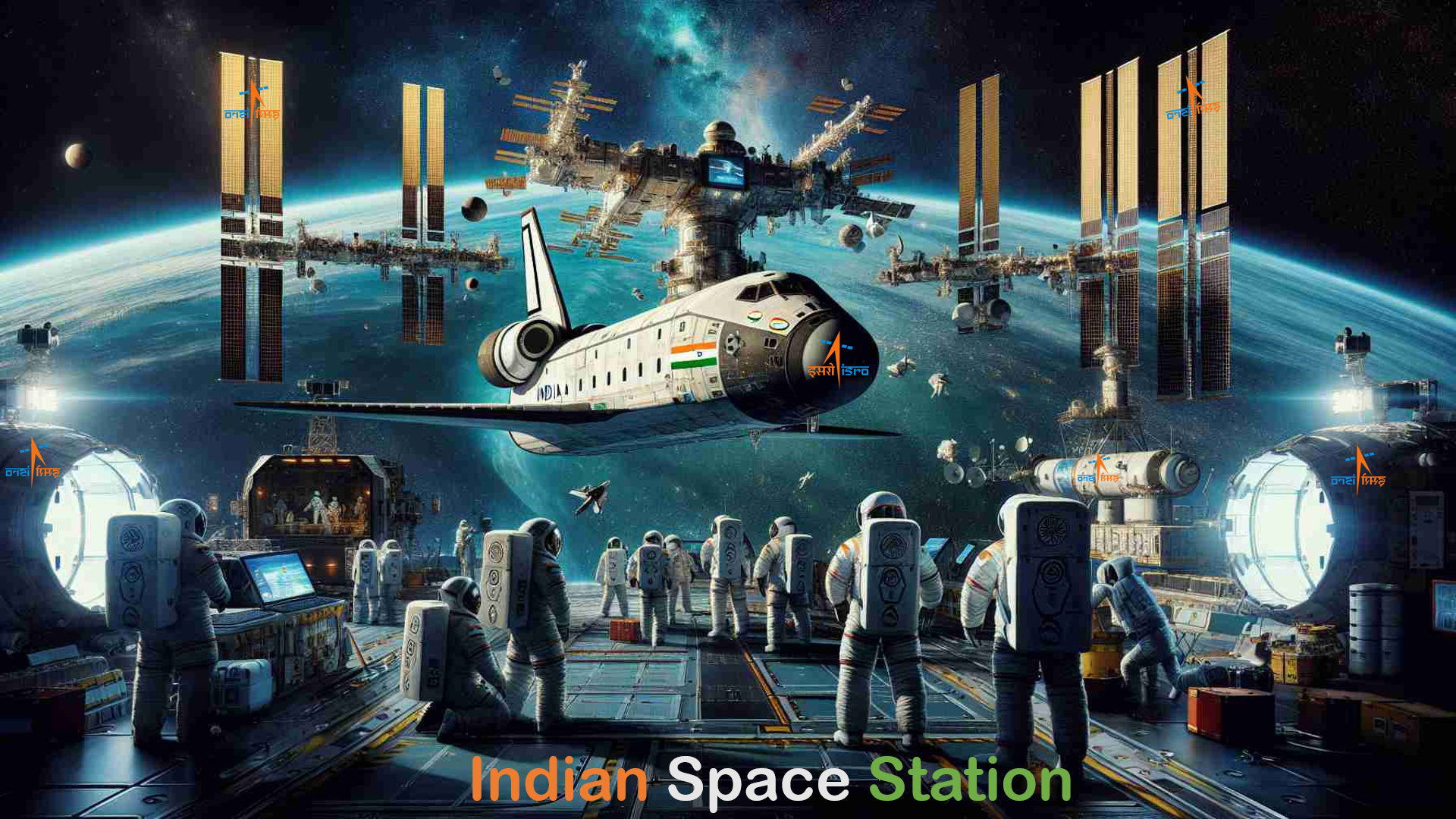
One of the most immediate applications is India’s ambitious Gaganyaan mission. Scheduled to send Indian astronauts into space, Gaganyaan requires the successful deployment of docking technologies, which SpaDeX has now proven. The mission's ability to dock and undock safely will be vital for the smooth operation of India’s planned space station, the Bharatiya Antariksha Station, which is expected to be operational by 2035.
The benefits of these advancements go beyond India’s borders. The SpaDeX mission has also placed India in a position to collaborate with other countries in space exploration. International partnerships will be crucial as India continues to develop larger and more complex space missions, such as the Chandrayaan-4 lunar mission and future Mars exploration projects. By demonstrating its capability to perform such complex operations, India solidifies its position as a key player in the global space community.
Overcoming Challenges: ISRO’s Resilience
Despite the complexity of the mission, the SpaDeX team faced several challenges along the way. For one, there was no prior trial mission, which meant that ISRO had to rely on simulations and ground-based tests to anticipate and address potential problems. Additionally, the launch itself and the precision needed for the docking were high-risk, as even a minor error could jeopardize the entire mission.
On top of this, there were delays in the final docking attempts, primarily due to issues with sensor data and alignment. At one point, the distance between the satellites was increased to 8 kilometers to avoid a collision when there was a delay in receiving critical sensor information. Despite these hurdles, the ISRO team demonstrated exceptional problem-solving skills and resilience, ensuring that the mission continued on track.
As ISRO Chief S. Somanath stated after the successful docking, the mission’s success was just the beginning. Additional SpaDeX missions, with larger spacecraft and more complex docking systems, are already being planned. These missions will refine the docking techniques and pave the way for more advanced projects, such as the Gaganyaan mission and the Bharatiya Antariksha Station.
CROPS with SpaDeX
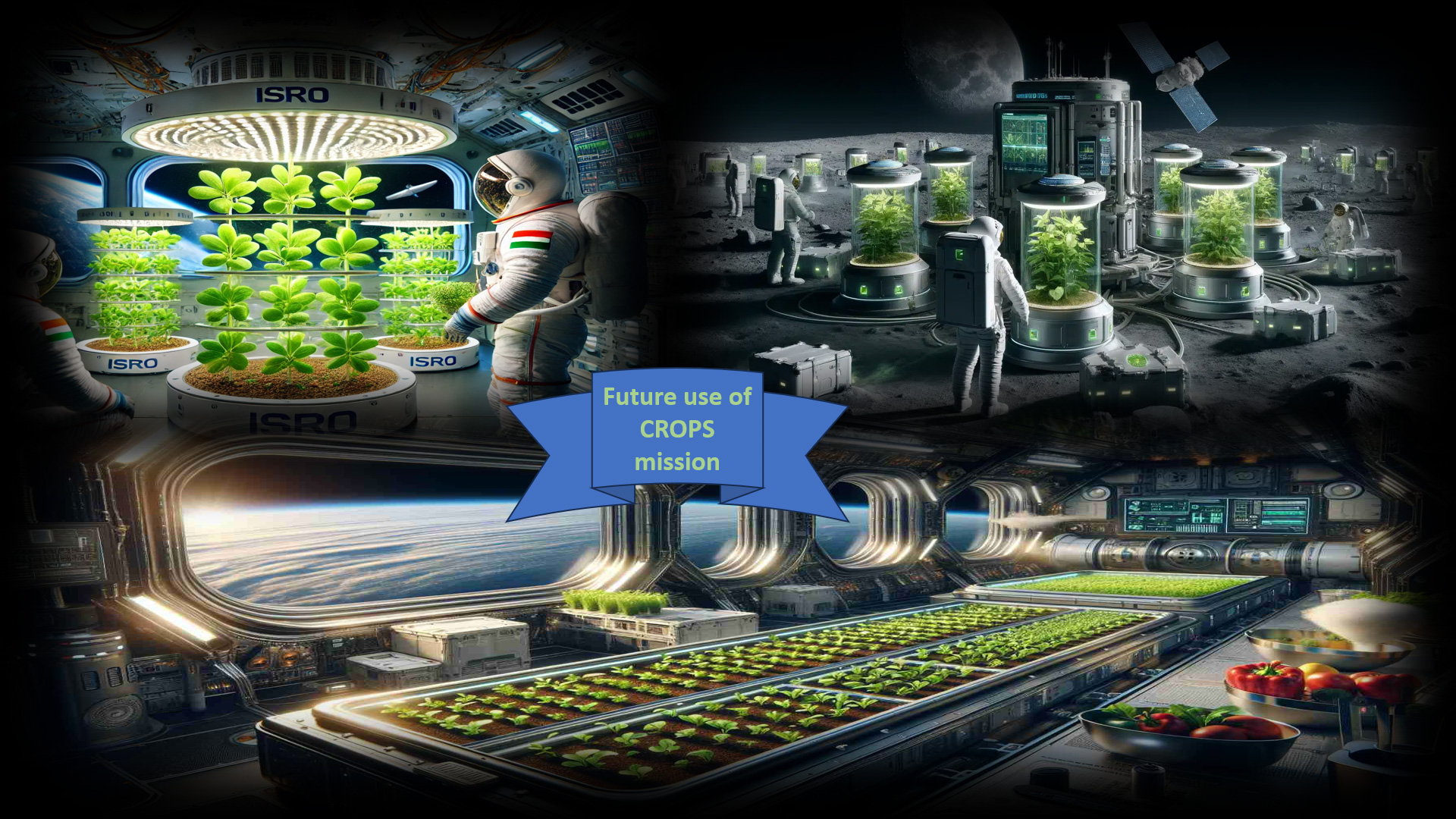
Also, SpaDeX mission included a payload to grow crops in microgravity. The mission's Compact Research Module for Orbital Plant Studies (CROPS) payload included eight cowpea seeds. The seeds germinated within four days of the launch.
• The mission's CROPS payload was a multi-phase automated platform that grew cowpea seeds in a closed steel chamber.
• The chamber had LED lamps, oxygen, carbon dioxide, and other ingredients for plant growth.
• The mission's data could help ensure food security for astronauts on long missions and could contribute to future missions to Mars and beyond.
The Path Forward: Beyond Docking
Looking ahead, the SpaDeX mission has laid the groundwork for a future where space exploration is not just about exploring the unknown but about ensuring that India can operate and sustain long-term missions in space. The next steps will involve refining the docking process, especially with regard to fuel-efficient maneuvers and shorter separations between spacecraft.
Additionally, SpaDeX has set the stage for a broader goal—addressing the issue of space debris. As more satellites are launched and the space environment becomes more crowded, managing and mitigating space debris will be essential. The docking technology demonstrated in SpaDeX could be instrumental in capturing and de-orbiting defunct satellites, thus ensuring a cleaner and safer space environment.
Perhaps most exciting is the potential for the SpaDeX mission to contribute to the broader goal of human space exploration. By mastering the art of autonomous docking and in-space assembly, ISRO is positioning itself as a key player in the future of spacefaring nations, contributing to global efforts to explore the Moon, Mars, and beyond.
The SpaDeX mission is not just a technical achievement; it is a testament to India’s growing space capabilities and its ambition to become a major player in the global space community. With the successful demonstration of space docking, ISRO has unlocked new possibilities for human spaceflight, satellite servicing, and even space station operations. As India continues to push the boundaries of space exploration, the SpaDeX mission will be remembered as a key milestone on its journey to the stars.

Physics, Chemistry, Biology and Geography.

Computer Programming, languages & their frameworks.

Economics, Accounts and Management.

Reviewing old and new books.

Ancient, Medieval, Modern, World History.

Indian Constitution, Politics, Policies, etc.

Everything related to International Affairs.

For all humanities topics, except History & Polity.

Anything related to entertainment industry.

Mainly Cricket but other sports too.
CS, IT, Services & Corporate Sector.
Comments
No comments yet. Be the first to comment!
Leave a Comment