A Nation in Transition - NPP’s Electoral Triumph and Its Implications for India | (Sun 17 Nov 2024 00:58)
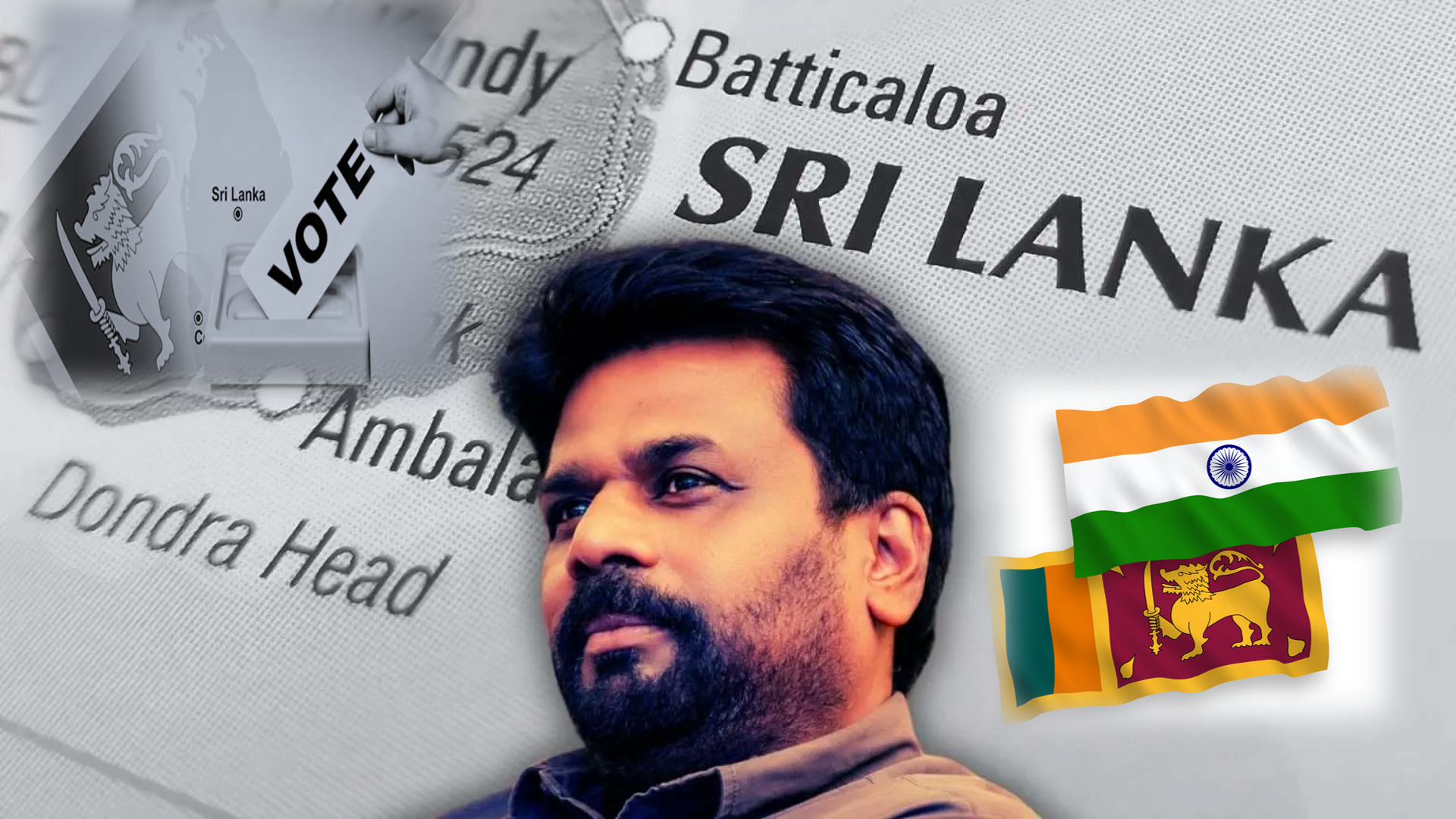
Sri Lanka’s recent parliamentary election resulted in a landmark victory for Anura Kumara Dissanayake’s National People’s Power (NPP), securing 159 of 225 seats and a two-thirds majority. This triumph follows the 2022 economic crisis and widespread protests that led to the downfall of former President Gotabaya Rajapaksa. The NPP’s victory reflects the public's demand for change after years of corruption and mismanagement, especially in the wake of the country’s economic collapse.
Who is Anura Kumara Dissanayake?
Hailing from Thambuttegama in Sri Lanka’s North Central District, Dissanayake grew up in a working-class family. His rise from a small-town student to president-elect showcases his commitment to empowering Sri Lanka's marginalized rural and working-class population. He joined the Marxist JVP in 1987, advocating for an end to corruption and family rule. Known for his anti-corruption stance, Dissanayake promises to hold leaders accountable, recover stolen assets, and overhaul Sri Lanka’s political system. His governance, based on transparency and reforms, aims to create a new political era for the country.
The NPP’s success signifies a rejection of the political elite, winning support across ethnic and regional lines, including Tamil and Muslim-majority areas. The election also saw a rise in female representation, with 21 women elected to Parliament. Dissanayake’s promises to reduce the Cabinet and implement constitutional reforms resonate with voters frustrated by the old political system. As a result, the NPP’s victory marks a decisive break from the past.
Implications for India
Dissanayake’s victory carries significant implications for India, considering their complex relationship.
1. Economic Reforms and Recovery: Dissanayake’s focus on economic reforms, tackling corruption, and recovering stolen assets could stabilize Sri Lanka’s economy, benefiting India as a key trading partner. A stable Sri Lanka would be a more reliable economic partner for India in the region, especially for trade and security.
2. Governance Reforms: Dissanayake’s pledge to overhaul governance and reduce corruption may lead to more transparent leadership in Sri Lanka. While this might not immediately affect bilateral relations, it could foster closer cooperation in trade, infrastructure, and security between the two countries.
3. Ethnic Relations: Dissanayake’s inclusive approach aims to empower marginalized communities, including Tamils and Muslims. This could positively impact Sri Lanka’s ethnic dynamics, improving relations with India, particularly in Tamil Nadu, which has historically been concerned with Tamil issues in Sri Lanka.
4. Foreign Policy and Alignment: Dissanayake advocates for independence from external influences, particularly foreign powers. While Sri Lanka’s ties with China have raised concerns in India, Dissanayake’s administration may seek a balanced relationship with both China and India, carefully navigating regional geopolitical tensions.
5. Security and Regional Cooperation: Dissanayake’s emphasis on strengthening Sri Lanka’s sovereignty may prompt India to monitor developments closely, especially regarding Sri Lanka's defence ties with other nations. However, a more transparent and reform-driven Sri Lanka could pave the way for deeper cooperation in maritime security, counterterrorism, and regional defence.
In conclusion, Dissanayake’s victory presents both opportunities and challenges for India. His focus on reform, economic recovery, and inclusive governance aligns with India’s interest in a stable Sri Lanka. However, his foreign policy stance on balancing relations with both China and India will be a key aspect that India will closely monitor.
Physics, Chemistry, Biology and Geography.

Computer Programming, languages & their frameworks.
Economics, Accounts and Management.

Reviewing old and new books.

Ancient, Medieval, Modern, World History.
Indian Constitution, Politics, Policies, etc.
Everything related to International Affairs.
For all humanities topics, except History & Polity.

Anything related to entertainment industry.
Mainly Cricket but other sports too.
CS, IT, Services & Corporate Sector.
Comments
No comments yet. Be the first to comment!
Leave a Comment