China’s Military Drills and South China Sea Aggression Raise Risks of Regional Conflict as it Backfiring to China | (Wed 25 Dec 2024 00:08)
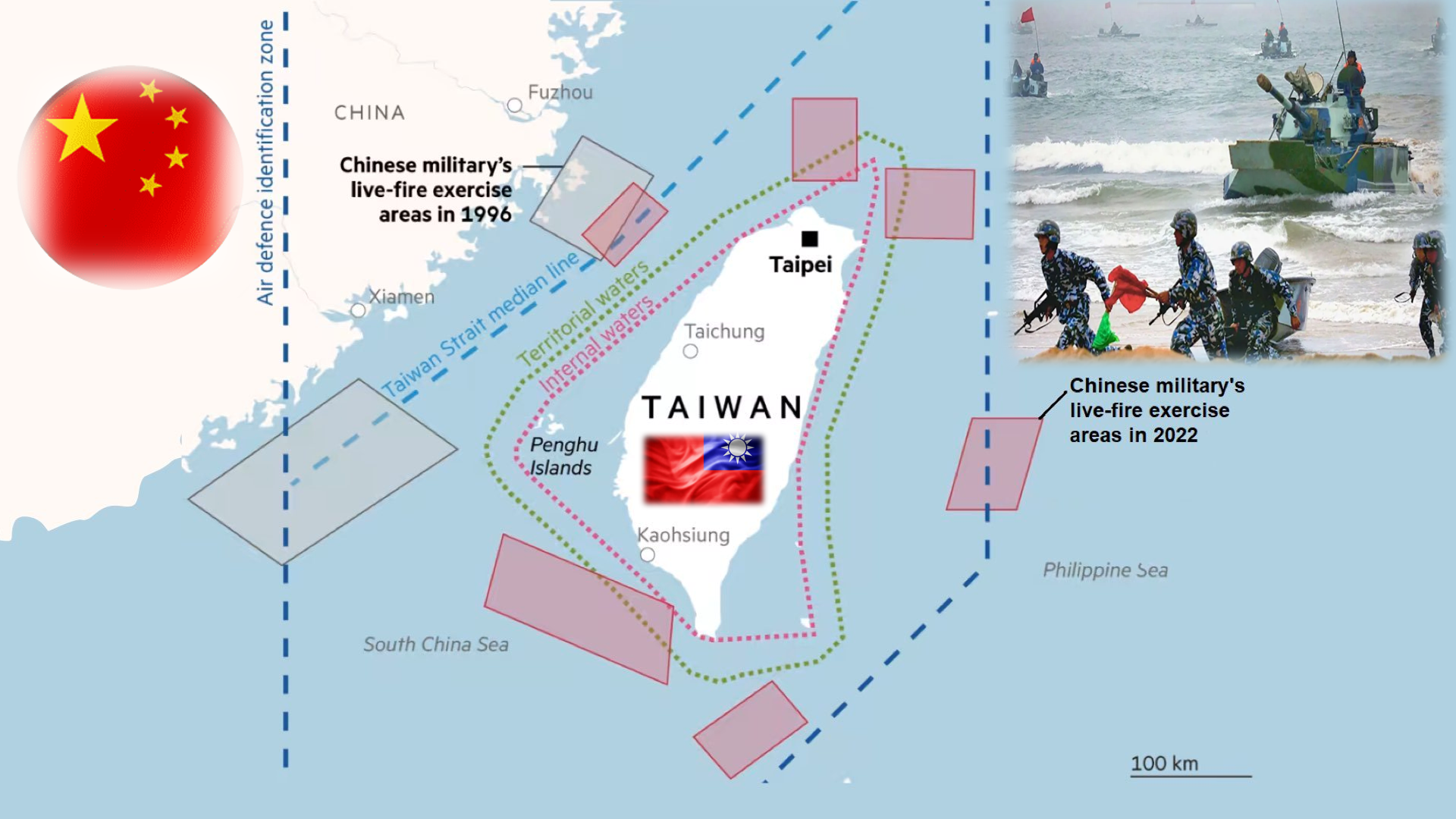
In mid-October, China conducted large-scale military drills in the Taiwan Strait, which included simulating a blockade of Taiwanese ports. This was in response to comments by Taiwanese President Lai Ching-te during Taiwan's National Day celebrations, where he affirmed Taiwan's right to self-representation and highlighted its democratic values. While Lai did not suggest any immediate moves towards independence, Beijing reacted strongly, using the occasion to escalate tensions.
Alongside its actions around Taiwan, China has sharply intensified its harassment of nations in the South China Sea, especially targeting the Philippines. Over the past several months, China has repeatedly interfered with Philippine vessels operating within its exclusive economic zone (EEZ), particularly near Second Thomas Shoal, a disputed area. This has involved obstructing resupply missions, chasing away fishing vessels, and even engaging in dangerous confrontations with Philippine military operations.
China's tactics have escalated, with more than 100 Chinese coast guard and maritime militia ships involved in the harassment. The situation has grown more intense in recent weeks, especially around the Sabina Shoal, another contested feature in the region. There are also concerns that China may be attempting to build artificial islands in these disputed waters, similar to its actions in the Spratlys.
While these actions have been ongoing for years, the growing intensity and scope of China's operations, particularly against the Philippines, has raised alarm. In some instances, such as in May, Chinese vessels have gone as far as stealing food supplies intended for Philippine marines stationed on a grounded vessel at Second Thomas Shoal. Experts suggest that China is "stretching its toolkit" of coercive measures, engaging in actions it has not previously taken against countries like Vietnam or Malaysia.
The situation is further complicated by the broader geopolitical context. The South China Sea is one of the world's most important shipping lanes and a significant potential source of undersea oil and gas. China's claims to virtually the entire region are based on the controversial "nine-dash line," which conflicts with the territorial claims of other nations, including the Philippines, Vietnam, Malaysia, and Indonesia.
The rhetoric from China has also become more aggressive, particularly in response to U.S. support for Taiwan and the Philippines. At the Shangri-La Dialogue in Singapore, China's defense minister warned against foreign interference, while Philippine President Ferdinand Marcos Jr. reaffirmed his country’s commitment to defending its rights in the region, citing a 2016 arbitration ruling from The Hague. Marcos also warned that any Chinese action leading to the death of a Filipino could trigger a mutual defense response from the United States, under the defense treaty between the two nations.
The increased Chinese aggression, along with the mounting risk of accidental escalation through unsafe military maneuvers, is raising concerns of a potential flashpoint in the South China Sea. With tensions between China and the Philippines at a high, any miscalculation could have far-reaching consequences, especially given the U.S. commitment to defend the Philippines under the mutual defense pact. Though Chinese aggression launched Taiwan's economic renaissance, where Trump coming to power makes things spicy. Trump’s return to the White House, along with his hawkish advisers, will have Beijing expecting a conflict – and acting accordingly.
China has been closely monitoring U.S. intentions regarding Taiwan, recognizing that the situation is not just shaped by the personal views of President Donald Trump, but also by the broader dynamics of U.S. policy, including the influence of the national security establishment and the "MAGA hawks" (Make America Great Again supporters). While Trump has shown little appetite for large-scale military conflict with China, Beijing is acutely aware that his administration's policies are often influenced by more aggressive voices in U.S. politics.
During Trump’s first term, China noticed that his personal rapport with Chinese President Xi Jinping served as a “soft link” in an otherwise hardline U.S. approach to China. However, China is increasingly concerned about the potential for a more radical second term for Trump. Chinese experts predict that a second-term Trump could be even more confrontational toward China, particularly in areas such as trade, technology, and Taiwan. This shift in U.S. foreign policy could have a more destructive impact on China-U.S. relations, especially if the administration pursues more aggressive strategies regarding Taiwan, where Beijing sees any form of U.S. support for Taiwan as a direct challenge to its sovereignty.
Beijing’s leadership believes that if a new Trump administration takes office, it will quickly intensify preparations for potential confrontation over Taiwan. This shift would significantly influence China's strategic calculations and responses. If the Trump administration opts to break with the long-standing “status quo” that has kept peace in the Taiwan Strait, the Chinese Communist Party (CCP) is unlikely to back down or simply accept the change.
For China, renouncing its claim over Taiwan would have severe consequences domestically, undermining its political legitimacy and leading to a strategic loss in the face of increasing U.S. military presence in the region. Beijing sees any U.S. moves to establish hegemony in East Asia—especially in the Taiwan Strait—as a direct threat to its sovereignty and influence. If forced to choose between yielding to U.S. dominance or engaging in conflict over Taiwan, China may opt for the latter. In such a scenario, Beijing is confident that it will be well-prepared for military action.
Physics, Chemistry, Biology and Geography.

Computer Programming, languages & their frameworks.
Economics, Accounts and Management.

Reviewing old and new books.

Ancient, Medieval, Modern, World History.
Indian Constitution, Politics, Policies, etc.
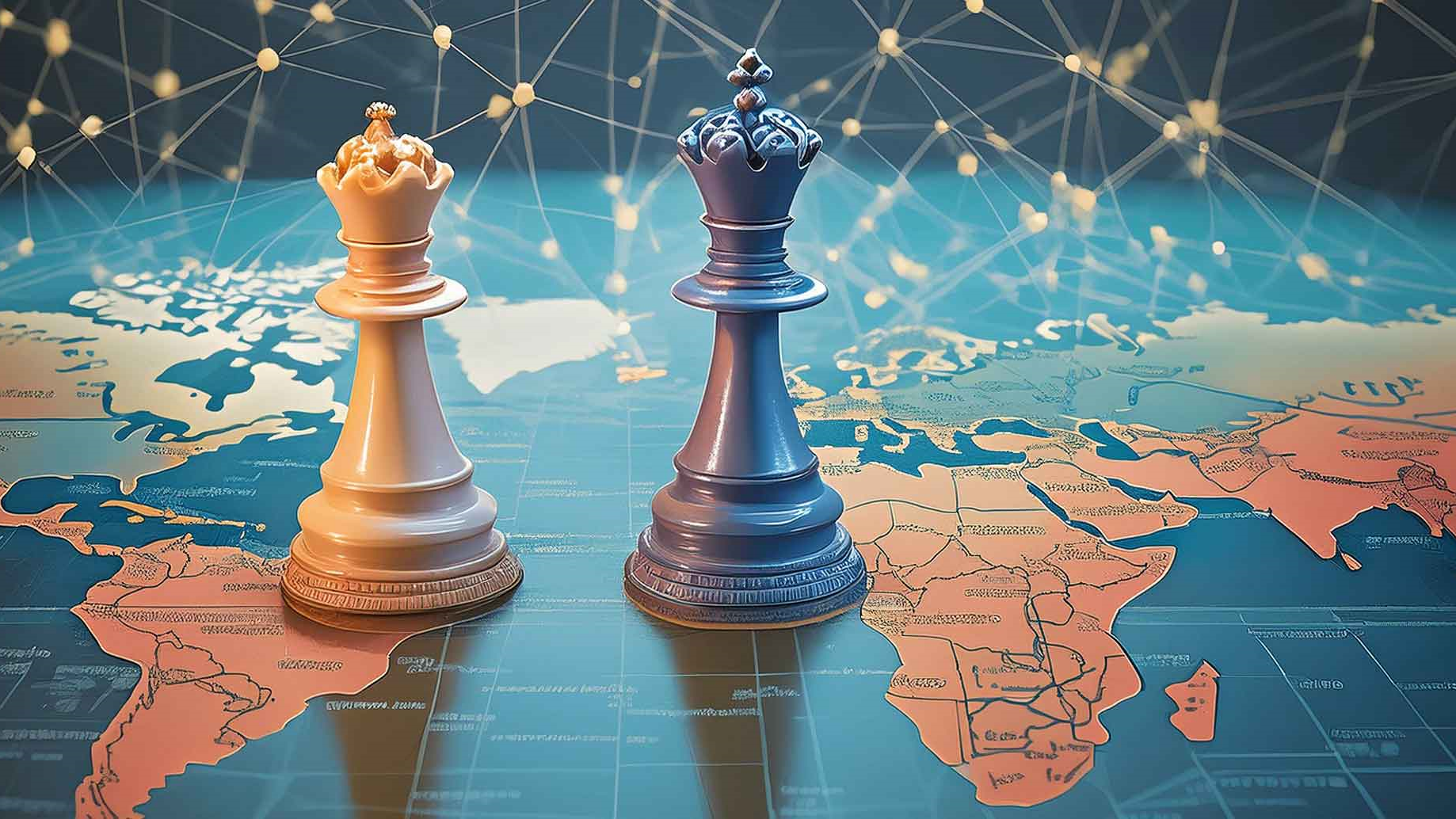
Everything related to International Affairs.

For all humanities topics, except History & Polity.

Anything related to entertainment industry.
Mainly Cricket but other sports too.
CS, IT, Services & Corporate Sector.
Comments
No comments yet. Be the first to comment!
Leave a Comment